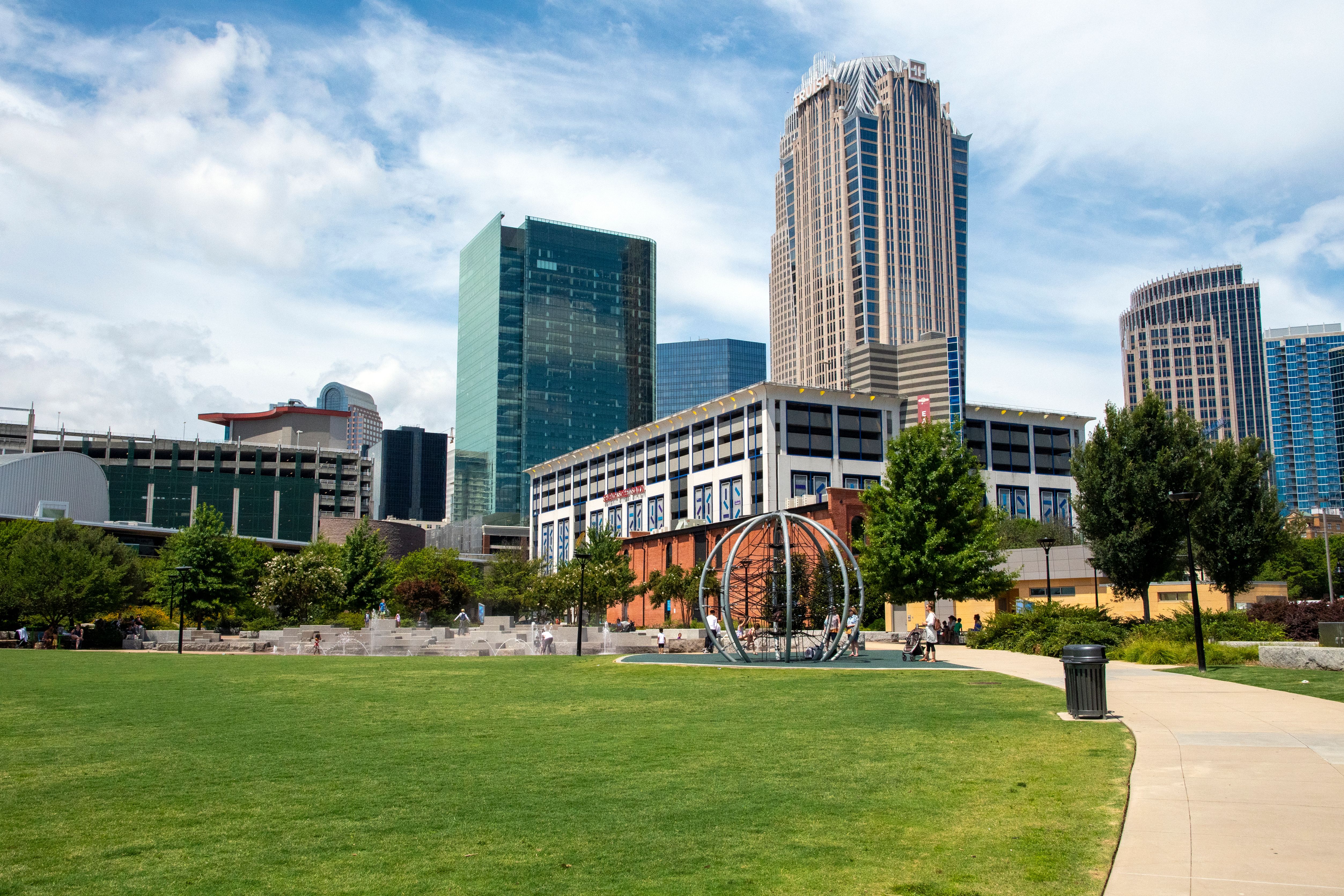
Charlotte voters approved three bond measures totaling $425 million on Nov. 3, according to unofficial State Board of Elections returns checked Nov. 4. All 169 precincts reported in each contest.
- Transportation: 204,868 votes for (63.69%) and 116,785 against (36.31%).
- Housing: 199,281 for (61.94%) and 122,477 against (38.06%).
- Neighborhood improvements: 214,184 for (66.55%) and 107,632 against (33.45%).
These were City of Charlotte questions. Eligibility depended on living within city limits; a Charlotte mailing address alone does not establish that eligibility.
Where the money is planned to go
The city's project plan allocates $280 million to transportation. That includes $160 million for place-based investments and $120 million for system maintenance and improvements, including sidewalks, street resurfacing, pedestrian safety, bicycle infrastructure and bridges.
The $125 million housing package includes $38 million for rental development, $31 million for homeownership, $18 million for preservation and $12 million for supportive housing. Other allocations cover site acquisition, rehabilitation, innovation, energy efficiency and administration. The plan's minimum $25 million anti-displacement and $35 million high-opportunity-area goals overlap those allocations; they are not additional sums on top of the $125 million.
The $20 million neighborhood package is intended for public-private partnership connections and related neighborhood infrastructure.
Borrowing and taxes
General obligation bonds let the city borrow for long-lived projects and repay principal and interest over time. In its bond FAQ, Charlotte says repayment of the 2026 bonds is already included in its financial plan, with no proposed or planned tax increase for this package. That statement is specific to the bonds and is not a promise that future city tax rates will never change.
The vote authorizes borrowing; it does not mean every project will be built immediately. Project selection and delivery remain part of the city's capital planning and budget process.
Returns remain unofficial pending canvass and certification. County canvass meetings are scheduled for Nov. 13, according to the State Board's election primer.