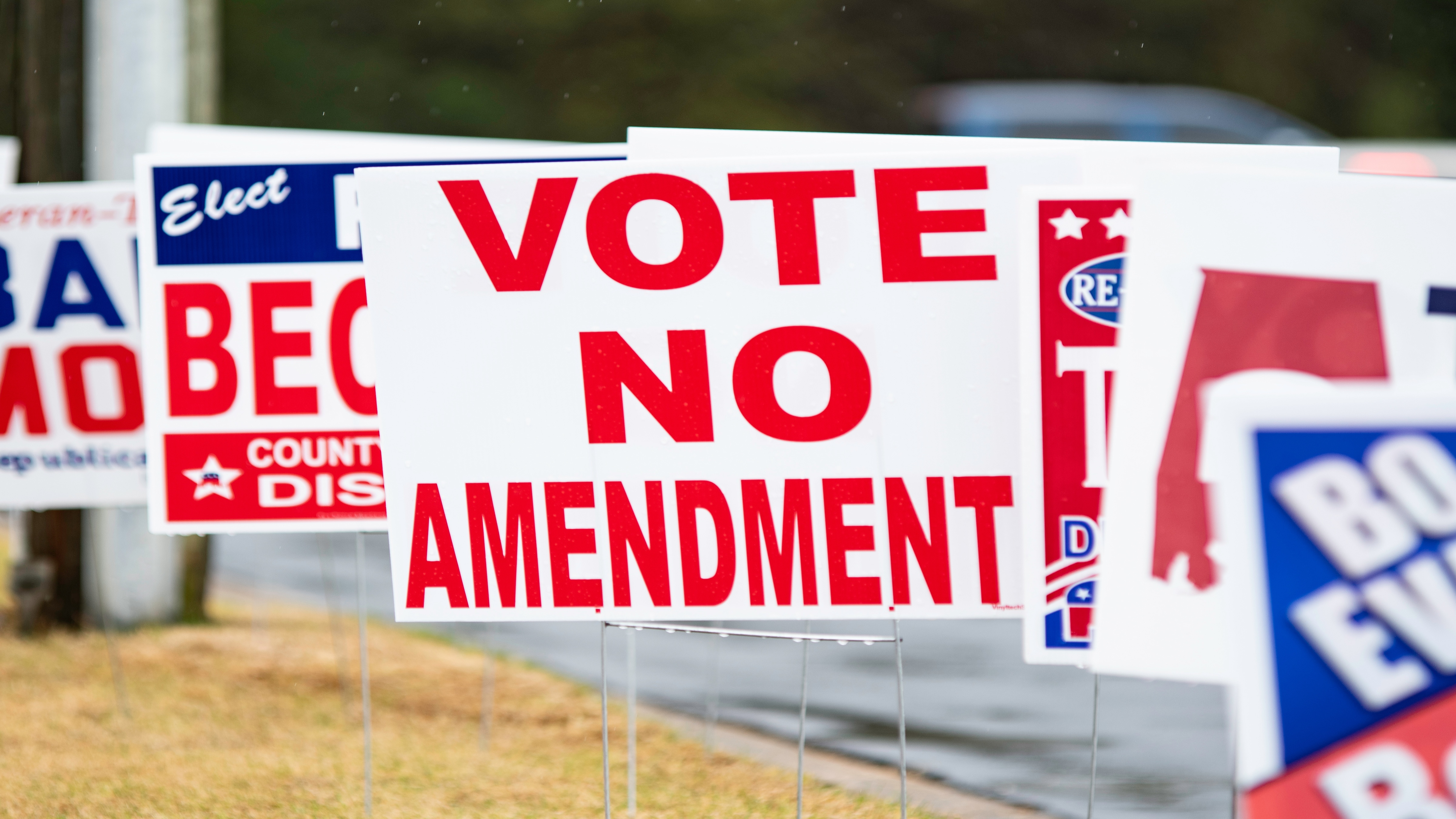
North Carolina voters, including those in the Waxhaws area, decide three proposed constitutional amendments Tuesday, Nov. 3: whether to extend the constitutional photo-ID mandate, lower the state income-tax ceiling and require limits on local property-tax levies.
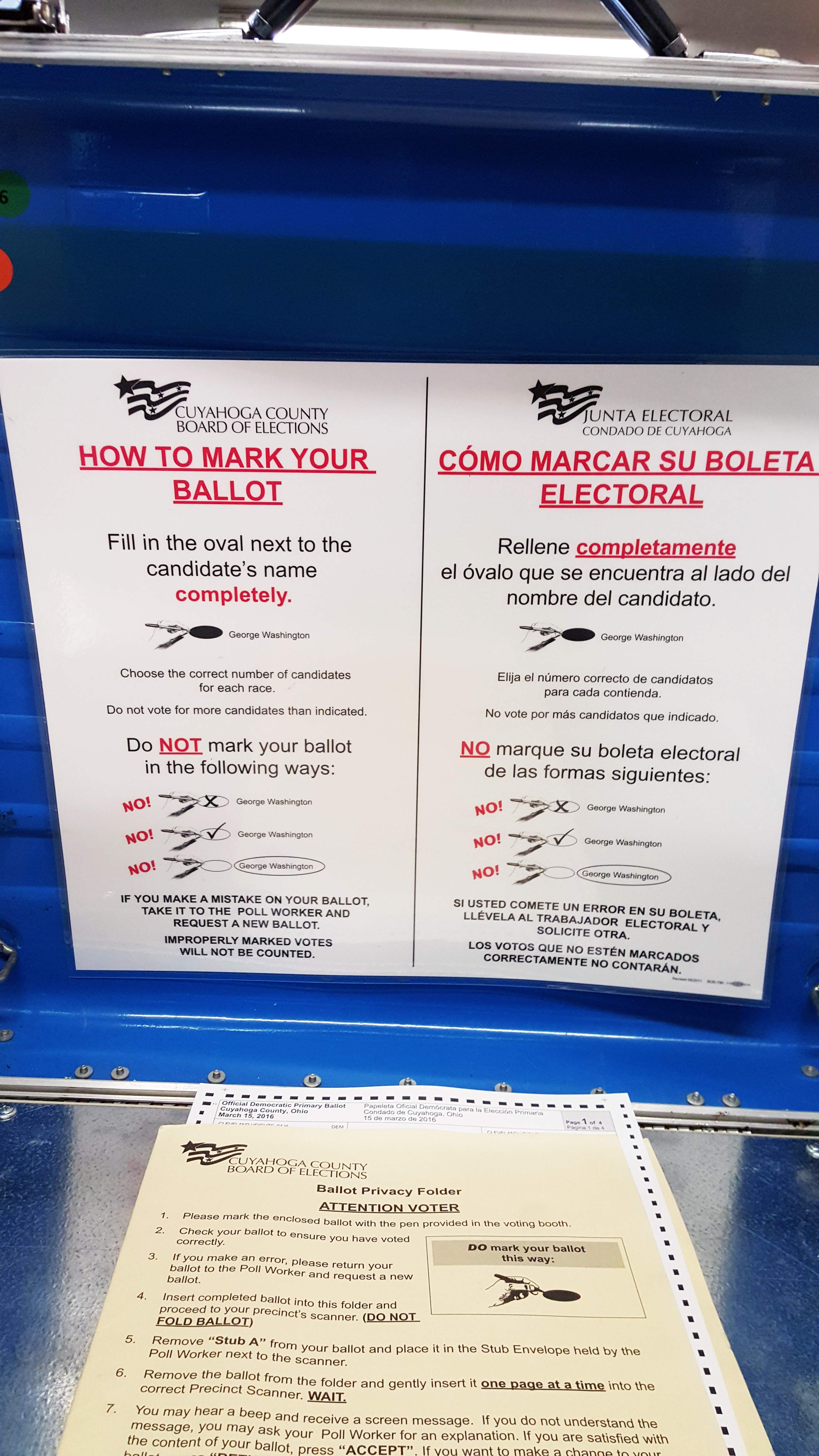
Each question asks voters to choose "For" or "Against." The State Board of Elections referendum list provides the official wording. Election-night returns on the state results dashboard are unofficial and may change during post-election checks.
Voter photo ID for all voting methods
Ballot language: "Constitutional amendment to require all voters, not just those presenting to vote in person, to present photo identification before voting."
The current constitutional requirement applies to in-person voting. Session Law 2024-58, Senate Bill 921, would remove that limitation. Lawmakers approved the proposal in December 2024 and specified the Nov. 3, 2026, referendum date. If approved, the amendment takes effect upon certification.
State law already requires mail-in voters to return a copy of an acceptable photo ID or a completed ID Exception Form, according to the State Board of Elections. In-person voters unable to show acceptable ID may cast a provisional ballot and complete an exception form explaining why.
The amendment retains lawmakers' authority to allow exceptions. It would put the broader ID mandate in the constitution, making it harder to repeal through ordinary legislation, while leaving the accepted-ID list and exception procedures in state law and election rules.
Rep. Mike Schietzelt, R-Wake, told WUNC News he sees the proposal as balancing security and access as mail-in voting has grown. Rep. Pricey Harrison, D-Guilford, told WUNC she considers it an unnecessary hurdle and worries about making election rules harder to change.
State income-tax rate cap at 3.5%
Ballot language: "Constitutional amendment to keep the State income tax rate from being raised higher than three and one-half percent (3.5%)."
Session Law 2026-4 would lower the constitutional ceiling from 7% to 3.5%. If approved, it takes effect upon certification and applies to taxable years beginning on or after Jan. 1, 2027. The cap covers both personal and corporate income taxes, according to the General Assembly's legislative summary.
The ceiling differs from the rate people actually pay. The individual rate is 3.99% in 2026 and is scheduled to fall to 3.49% in 2027, WUNC reported. The amendment would not itself set the 2027 rate. It would prevent future lawmakers from raising income-tax rates above 3.5% without another constitutional amendment.
Sen. Michael Lee, R-Hanover, told WUNC the measure fulfills a commitment to reduce the tax burden. Rep. Marcia Morey, D-Durham, warned before a legislative vote that limiting future revenue could squeeze government services. Income-tax revenue supports schools, universities, infrastructure and other state services, WUNC reported.
Property-tax levy limit
Ballot language: "Constitutional amendment requiring limits on property tax increases by local governments."
Session Law 2026-5 would require the General Assembly to enact limits on increases in property-tax levies and allow lawmakers to include exceptions. It supplies no numeric cap or formula. If approved, the constitutional requirement takes effect upon certification, but the limits themselves require later legislation.
A levy is the total amount a government raises through a tax. Limiting its growth would not necessarily lower an individual homeowner's bill. North Carolina has no state property tax; local governments collect it to support services including public safety, schools and recreation, WUNC reported.
Rep. Brian Echevarria, R-Cabarrus, said families need stability and affordability. Rep. Maria Cervania, D-Wake, warned against a uniform limit for communities with different needs. "Bertie County is not Mecklenburg County," she told WUNC.
What pre-election polling found
The Elon University Poll's detailed tables report an online survey of 800 North Carolina adults conducted by YouGov Aug. 21–31. The likely-voter group was listed as 565, with a reported margin of error of plus or minus 5.6 percentage points. The poll used a non-probability sample.
Among likely voters, 65% favored the photo-ID amendment, 24% opposed it and 11% were unsure. For the income-tax cap, the figures were 68%, 18% and 15%; for the property-tax limit, 71%, 15% and 14%. Rounding may prevent totals of 100%. These are August preferences, not election returns.
A separate Catawba College/YouGov survey released Sept. 2 surveyed 1,000 North Carolina adults online. One randomly assigned group was asked about the property-tax proposal without added context; 79% supported it. Another group received arguments for and against; 69% supported it. These were different groups, rather than the same respondents changing their answers.
Catawba reported an adjusted overall margin of error of plus or minus 3.59 percentage points and cautioned that subgroup margins are higher. The overall margin should not be treated as the margin for either half of the split-sample experiment.
How amendments become law
Under Article XIII of the state constitution, a proposal initiated by lawmakers requires three-fifths of all members of each chamber. It is not subject to the governor's veto. A majority of votes cast on the question must then favor it for ratification. A future constitutional amendment could revise an approved measure.
Voters can check registration, their assigned polling place and sample ballots through the State Board's voter search.