Union County has one mental health provider for every 680 residents, less than half the statewide average of one per 300, according to CountyHealthRankings data first reported by The Enquirer Journal.
That ratio means finding help is harder in Union County than in much of the state. The gap persists even though the county's overall mental distress rate is comparatively low.
About 30,300 adults in Union County report frequent mental distress, defined as 14 or more days of poor mental health in the past month, according to 2025 CDC county-level estimates compiled by Olander Earthworks. That 15.8% rate is lower in raw terms than neighboring Mecklenburg County, where 141,600 adults reported the same level of distress, and Cabarrus County, where 29,200 did.
The same CDC data flagged other warning signs. In Union County, 31.6% of adults sleep fewer than seven hours a night and 21.6% report no physical activity outside of work.
Union County government has acknowledged the access problem. On Oct. 1, the county launched Healthier U, a free online mental health platform powered by CredibleMind. The platform offers self-assessments, articles, videos, guided courses and a local resource directory. No account or personal information is required.
Traci Colley, Union County Public Health Director, said in a county statement that the platform is meant to reach residents managing stress, grief or anxiety. A dedicated section serves young people ages 13 to 18, and all content is available in Spanish.
The county's announcement cited its own 2025 Community Health Assessment (CHA), noting that the most common barrier for residents who needed mental health care but did not receive it was not knowing where to go for help.
The statewide mental health provider ratio of one per 300 residents also appears in a 2025 Community Health Needs Assessment published by Maria Parham Health, which tracks county-level access data across North Carolina.
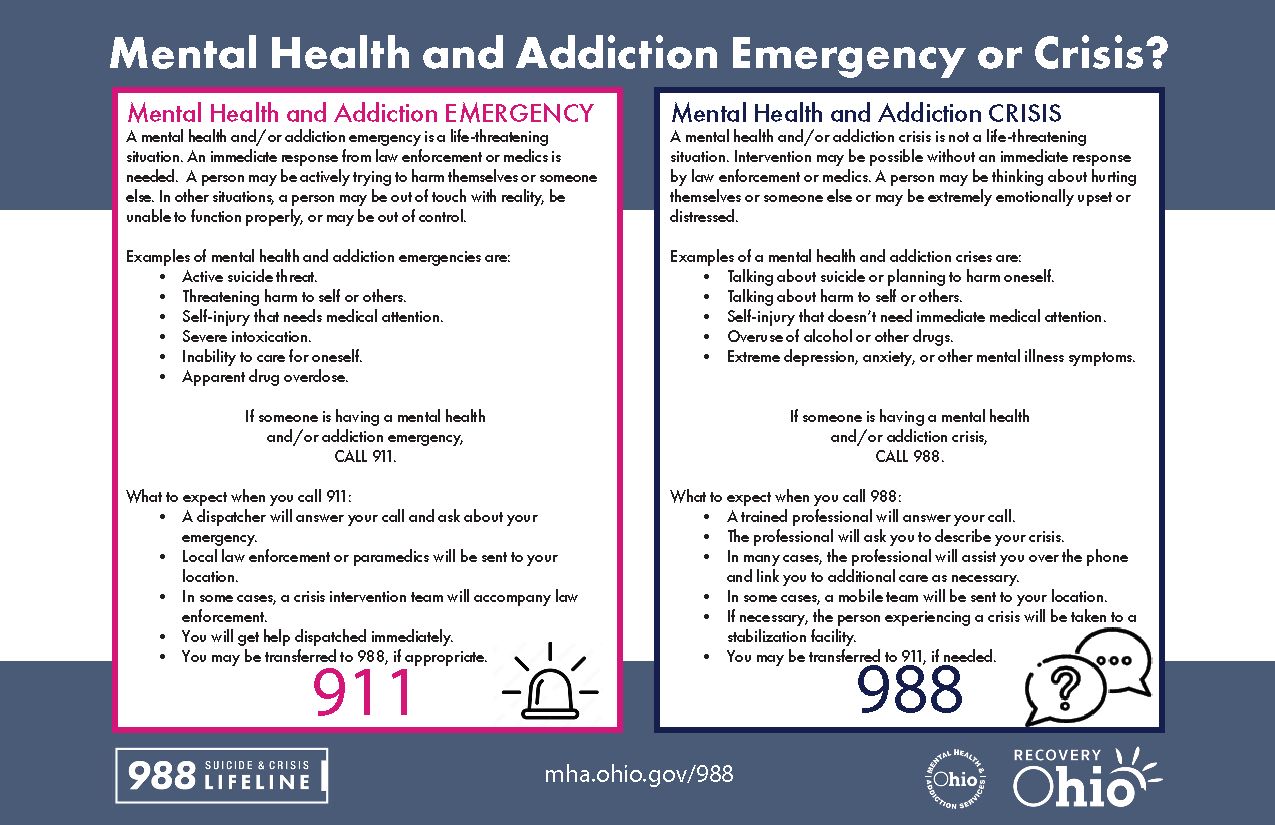
Residents can access Healthier U at any time on any device through the Union County government website. The platform is not a crisis line. Anyone in crisis can call or text 988, the Suicide and Crisis Lifeline, which averages nearly 16,000 contacts per month across North Carolina.