A proposed constitutional amendment on the Tuesday, Nov. 3, ballot would require the North Carolina General Assembly to limit local property tax increases, but the amendment itself sets no specific cap or formula.
If approved by a simple majority, the measure would give state lawmakers authority to decide later how much local governments can raise property taxes. That open-ended structure has drawn criticism from Union County commissioners and the North Carolina Budget and Tax Center, even as an August Elon University poll found 72% of likely voters favor the amendment.
"If it passes, that simply says, okay, it now enshrines in the constitution our agreement with the General Assembly to act at some point. That might be next year. It might be 10 years from now," Chris McLaughlin, a University of North Carolina professor who specializes in local taxation, told WFAE.
The amendment is one of three statewide constitutional questions on the ballot, according to WSOC-TV. The governor has no veto authority over amendments proposed by the General Assembly.
What it means locally
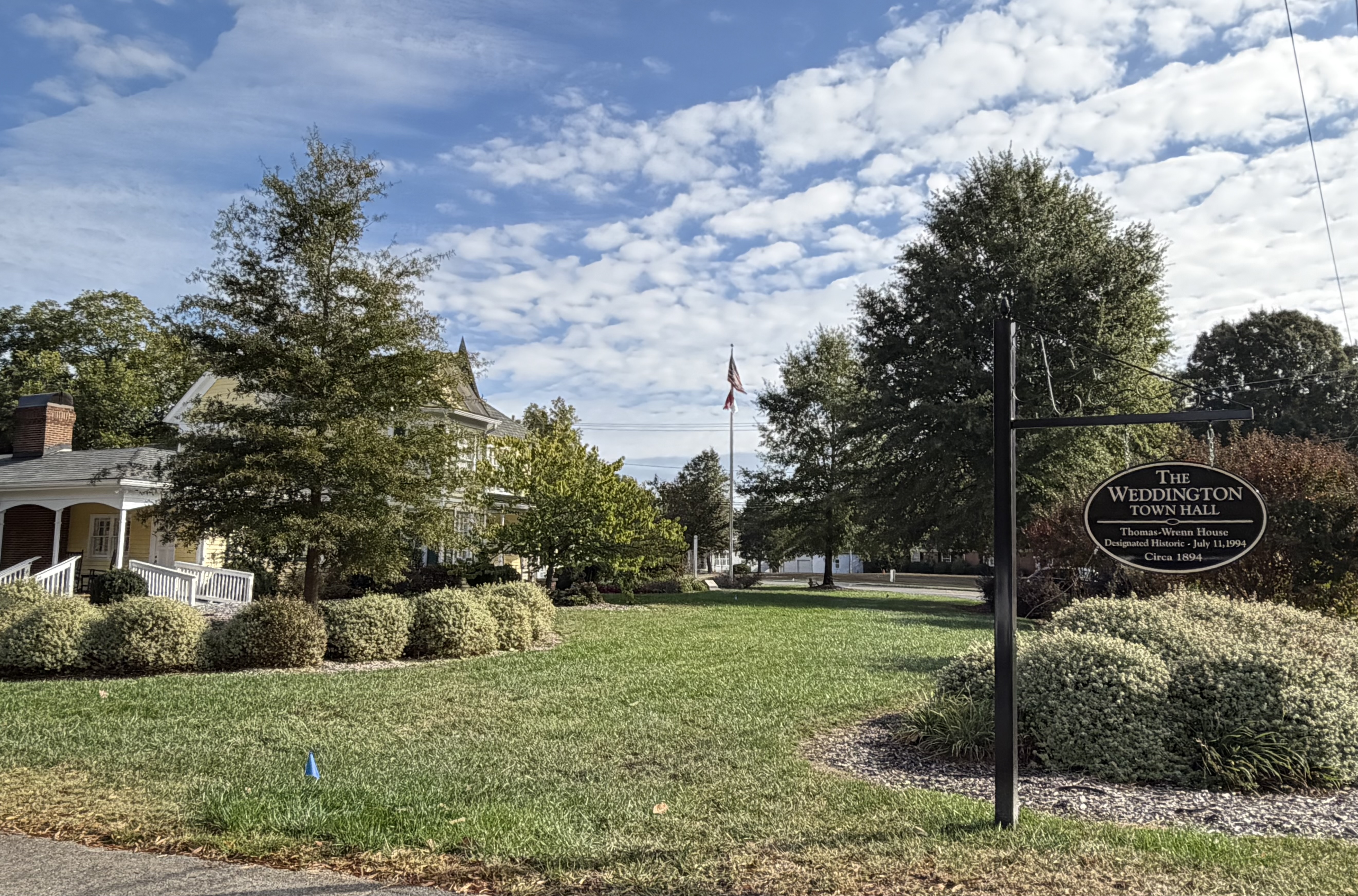
Union County's property tax rate stands at 43.42 cents per $100 of assessed value for fiscal year 2026-2027, according to the county's budget, approved June 16. For FY 2025-2026, municipal rates stacked on top: Waxhaw added 29 cents, Marvin added 5.63 cents and Weddington added 3.5 cents per $100, according to a Longleaf Group analysis of county tax data.
Property taxes provide about 50% of the average county's revenue and between 25% and 40% of municipalities' revenue, McLaughlin told WFAE. Chairman Brian Helms said in June, when the board approved the FY 2026-2027 budget, that roughly 71% of Union County's tax rate supports education partners, leaving just 12.75 cents to fund sheriff's services, EMS, libraries and parks.
The Union County Board of Commissioners voted unanimously on April 20 to oppose the kind of statewide cap now on the ballot. The county's resolution called the approach a "one-size-fits-all" limitation and noted the county keeps its rate in the state's lowest third.
At that April 20 meeting, Helms said Raleigh created many of the problems with property taxes and now wants to offer a solution "all the while vilifying the local governments who are struggling to keep up with unfunded mandates." Commissioner Melissa Merrell added that Union County residents saw a 60% increase in property values, with some areas exceeding 80%, because of a state-mandated reappraisal.
Supporters and critics
Brian Balfour, vice president of research at the John Locke Foundation, a conservative think tank, told Spectrum News the amendment grew out of a "groundswell of people getting surprise bills on their property taxes." The foundation released a report estimating property owners statewide would have saved more than $5 billion if a levy limit had been in place five years ago.
Critics counter that the savings would be lopsided. The North Carolina Housing Coalition estimated that under a hypothetical 2% levy limit, counties and municipalities would have lost nearly $1 billion for services, while the average homeowner would have saved $7 a month, CityView NC reported. Duke Energy would have saved $10 million under that scenario. The coalition used 2% because the Tax Foundation proposed that figure to a House committee studying property tax reform.
Alexandra Sirota, executive director of the North Carolina Budget and Tax Center, told Spectrum News the amendment would not deliver the tax relief supporters suggest. She said local governments would have to turn to other fees and taxes or risk losing services.
How to vote
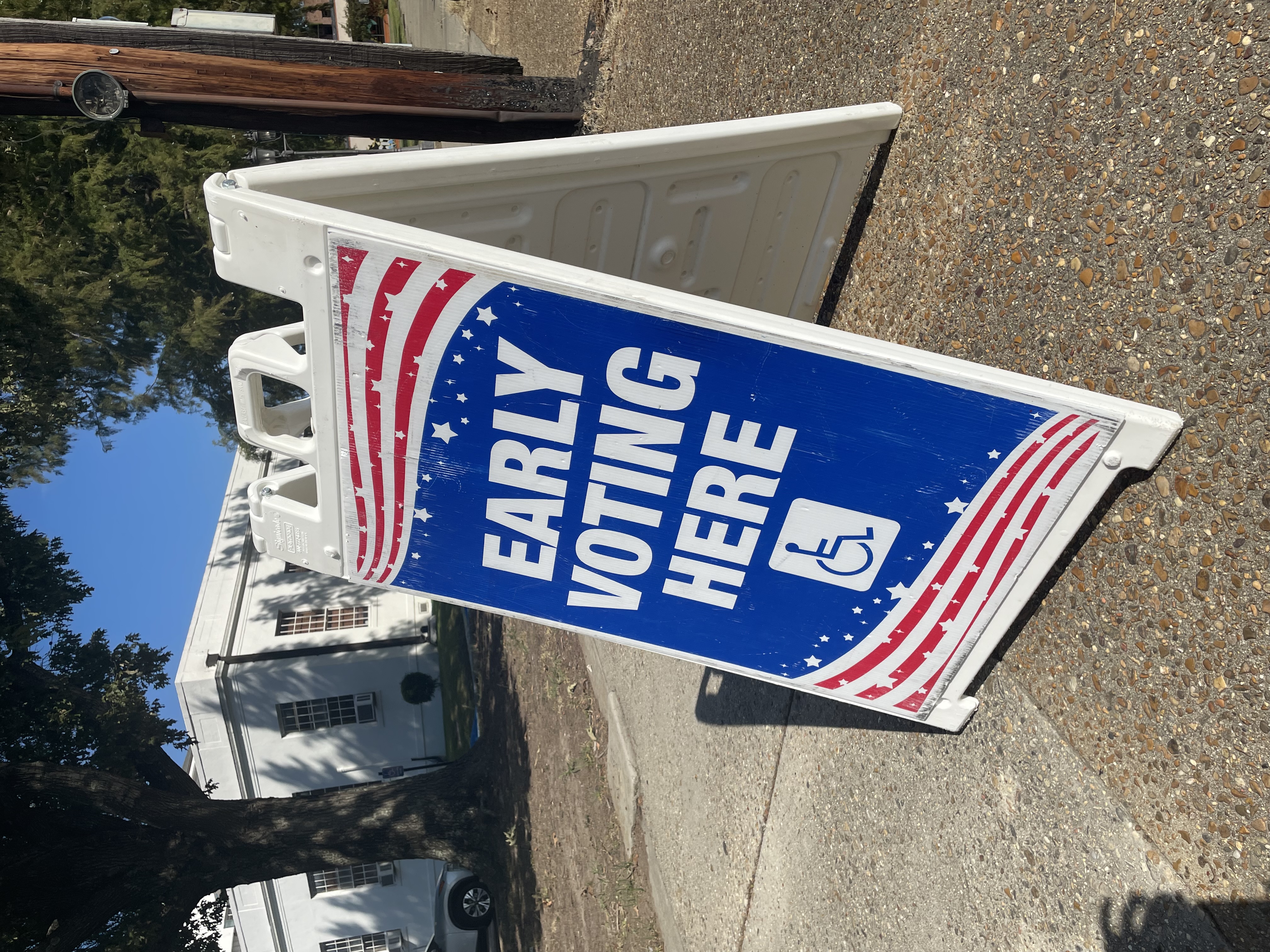
Early in-person voting runs Thursday, Oct. 15, through Saturday, Oct. 31. Same-day voter registration is available during early voting but not on Election Day, Tuesday, Nov. 3, according to WBTV. The amendment needs a simple majority to pass.