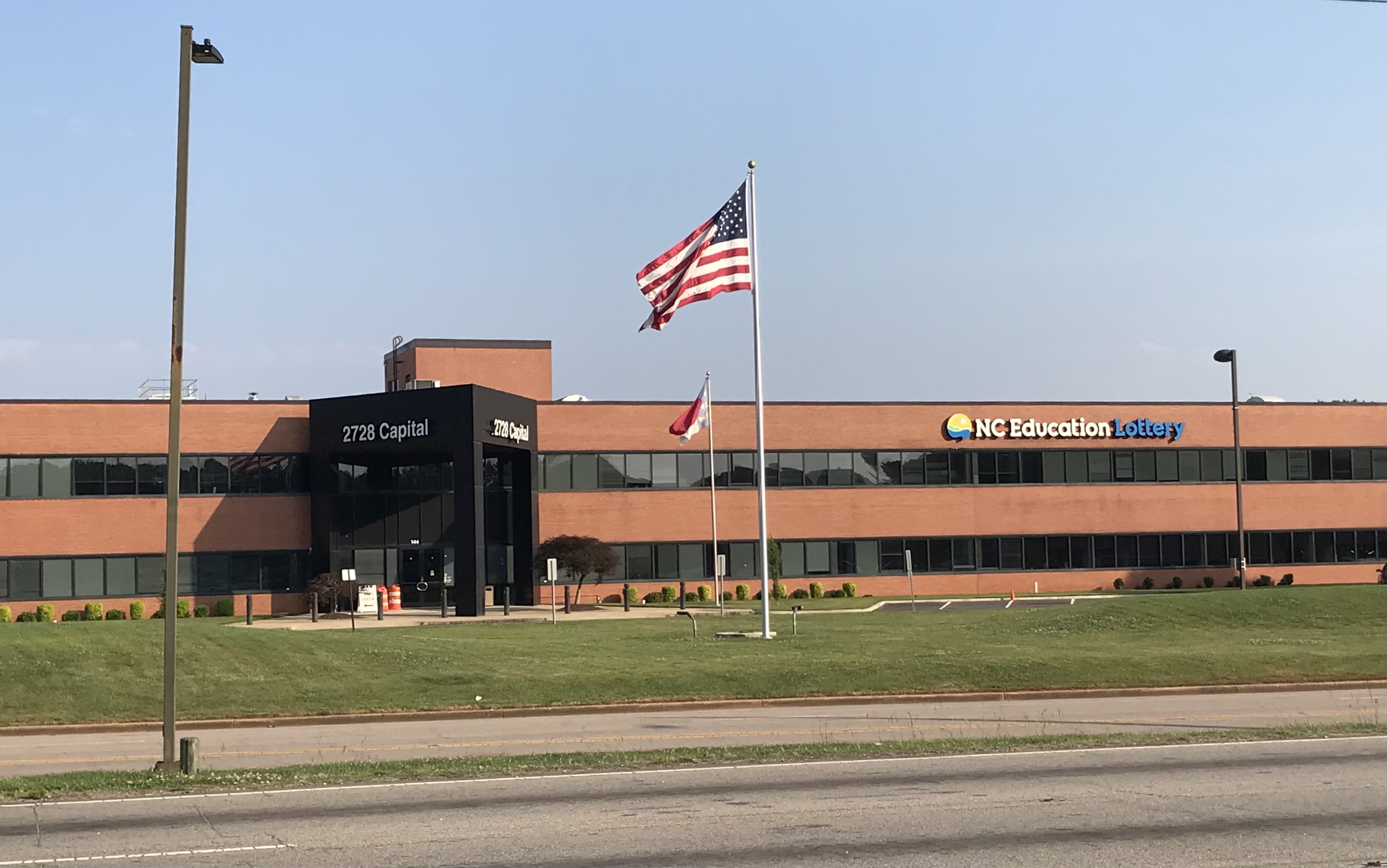
North Carolina's Education Lottery sent just 16% of its revenue to public schools in fiscal year 2025. That is less than half the 38% target set by state law, according to a performance audit released Tuesday, Sept. 8.
The finding matters for Union County Public Schools and its more than 40,000 students. Lottery proceeds fund school construction and repair statewide. Union County receives $500,000 annually through the Public School Repair and Renovation Fund, which distributes $50 million equally among the state's 100 counties. A separate Public School Building Capital Fund distributes $100 million based on enrollment.
Lottery ticket sales surged 51% over two years, climbing from $4.3 billion in fiscal year 2023 to $6.6 billion in fiscal year 2025, WFAE reported. The dollar amount reaching schools barely moved: $1.02 billion in fiscal year 2023, $1.09 billion in fiscal year 2024 and $1.08 billion in fiscal year 2025.
The driver, auditors found, is digital instant games. The online, slot machine-style games did not exist in fiscal year 2023. By fiscal year 2025 they accounted for $2.6 billion in sales, roughly 40% of the lottery's total. Those games pay out about 87 cents of every dollar in prizes, leaving far less for education than traditional scratch-off and draw games.
Revenue from scratch-offs and draw games fell from about $4.3 billion to just under $4 billion over the same period, the Spring Hope Enterprise reported.
The education transfer percentage dropped each year: 23% in fiscal year 2023, 20% in fiscal year 2024 and 16% in fiscal year 2025. The transfer target was originally 35% when the lottery launched in 2005 and was later raised to 38%. State law phrases it as a goal "to the extent practicable," and the audit notes it is not a hard mandate. The lottery's long-term average transfer rate is closer to 27%.
State Auditor Dave Boliek said the audit raises questions about the lottery's direction.
"The audit raises questions about whether we're going to focus on a percentage outcome, a dollar outcome, or a balance of the two, which is really important in terms of transparency and accountability to the public," Boliek said.
Auditors recommended the lottery work with the General Assembly to clarify its primary objective: maximize total dollars transferred, maintain a minimum percentage of sales, or balance both through a defined policy. Auditors also noted Kentucky and Virginia saw similar trends after introducing online lottery games.
Education Lottery CEO Mark Michalko, in a written response included with the audit, said he would meet with state lawmakers to discuss possible legislative changes. Michalko suggested the General Assembly consider whether the 38% target remains appropriate given the lottery's current product mix.
The lottery spent $54 million on advertising and $207 million on vendor expenses in fiscal year 2025, ABC11 reported. Since its inception, the lottery has distributed $12.3 billion to education programs statewide.
No specific Union County allocation figures were included in the audit. Michalko did not announce a timeline for meeting with legislators.