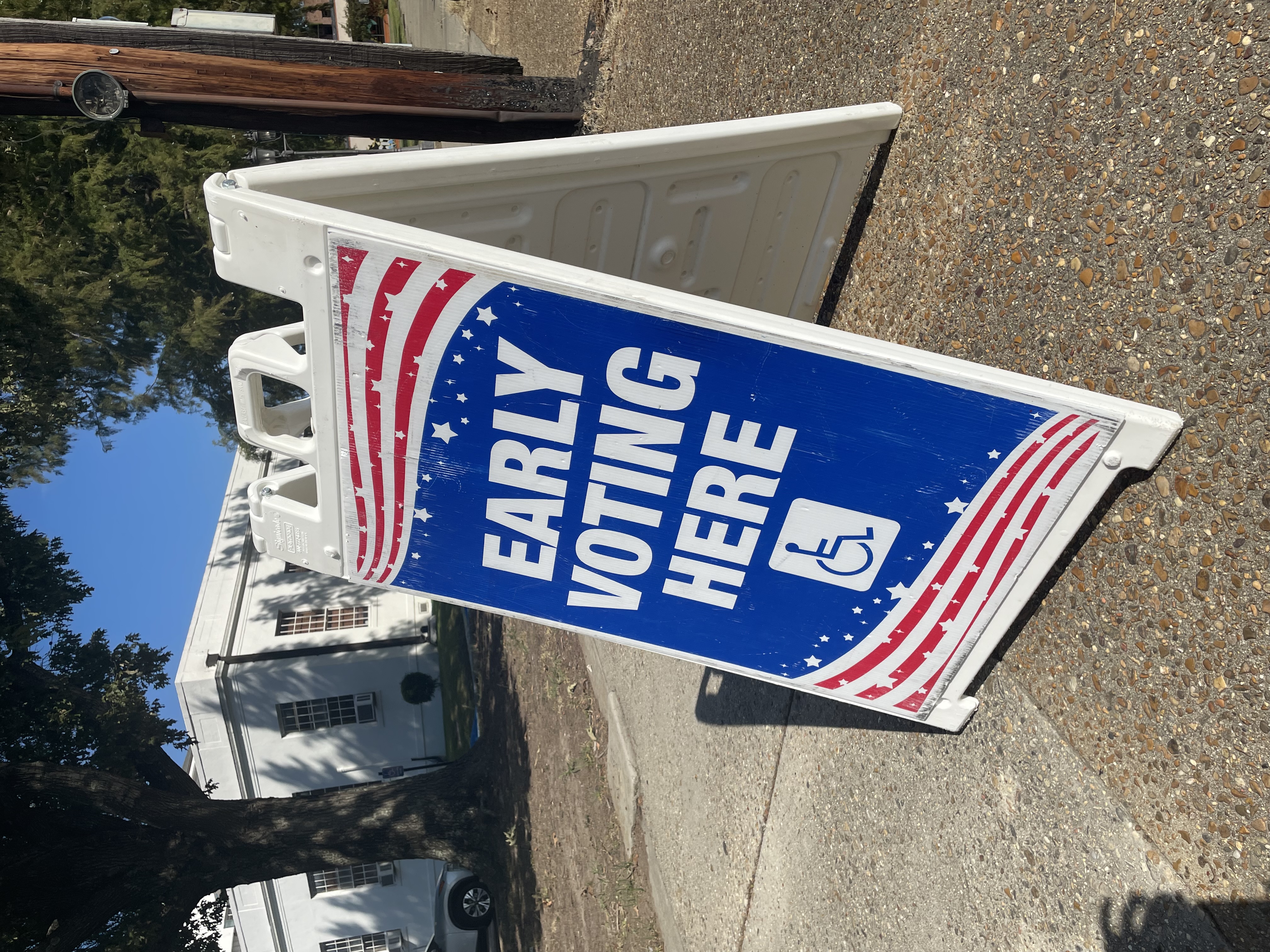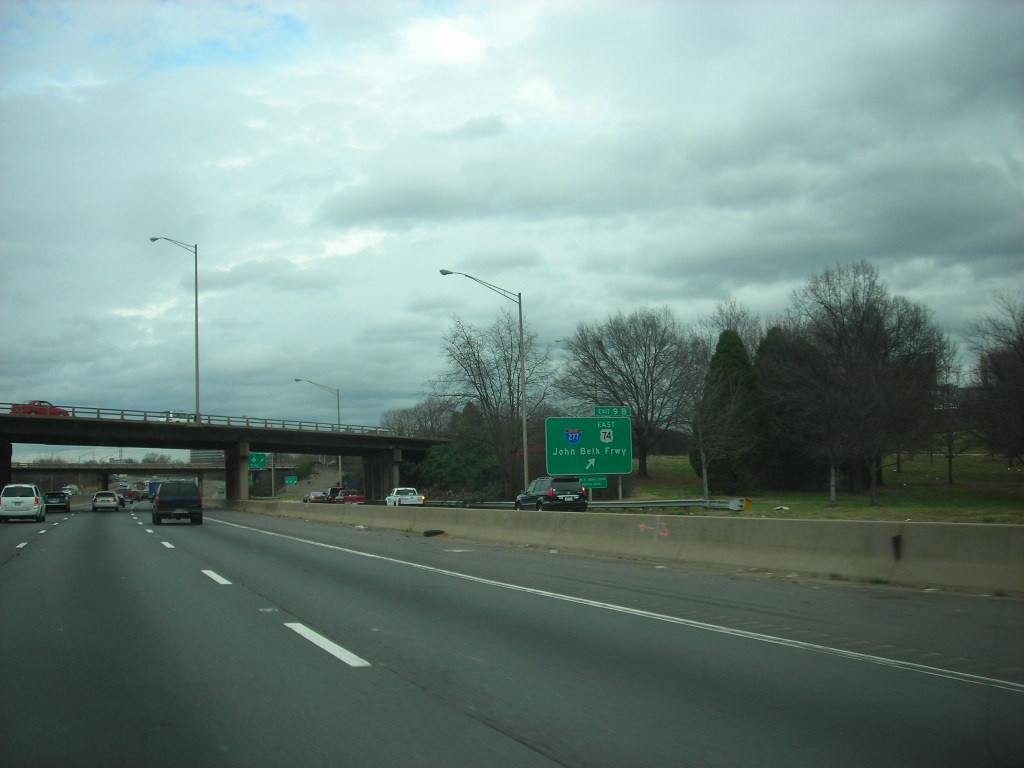
The $4.3 billion I-77 South toll lane project is back on track after the Charlotte Regional Transportation Planning Organization (CRTPO) voted 64-5 on Sept. 23 to restore its support.
NCDOT Chair Tony Lathrop confirmed the restart at the South Charlotte Partners Transportation Summit on Sept. 29, as first reported by WSOC-TV. Lathrop said the project needs to restart with "an inclusive process with the community."
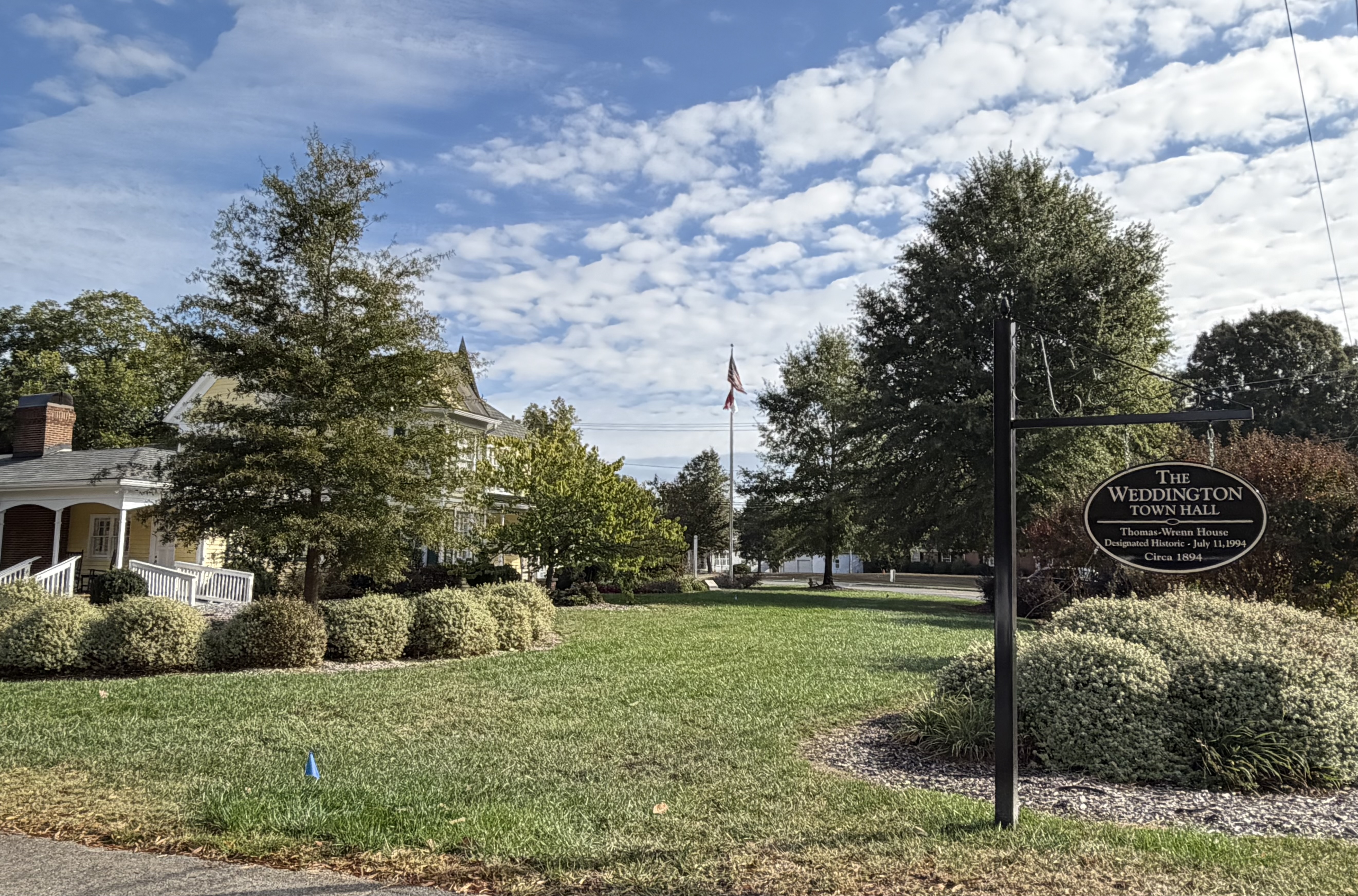
The project had been shelved for roughly four months after the CRTPO pulled its support in May over concerns about impacts to historically Black neighborhoods in west Charlotte. For Waxhaw, Weddington, Marvin and Wesley Chapel commuters who use I-77 South daily, the restart means toll lanes are coming to their route.
The plan calls for two new toll lanes in each direction along 11 miles of I-77 from uptown Charlotte to the South Carolina state line. WFAE reported it is the most expensive highway project in North Carolina history. If tolls mirror the existing I-77 North lanes, a one-way rush-hour trip could cost $20 to $25, according to WFAE.
Construction is not expected to begin until 2030 or later, according to Queen City News. The new lanes are projected to open sometime next decade.
What broke the logjam
State legislators included a provision in the state budget requiring local governments that voted against the project to reimburse NCDOT $69.5 million in design costs dating back to 2018. Charlotte estimated its share at $59 million to $69 million, which officials said would likely have required a property tax increase, according to Spectrum News.
That pressure flipped votes.
Charlotte City Council members Malcolm Graham and Joi Mayo reversed their May opposition and voted yes on Sept. 22, giving the council a 7-4 majority in favor. Graham told WCNC he changed his mind because the city secured a legally enforceable agreement on community benefits. With the CRTPO vote restoring support, Charlotte and other municipalities will not face the threatened repayments.
$300 million in community benefits
The City of Charlotte and NCDOT signed a Memorandum of Agreement committing to at least $300 million in community benefits, according to the city's official summary. The package includes:
- $150 million for a park cap structure and pedestrian and bicycle crossings over portions of the highway near uptown
- $30 million for new food cooperatives on the West Boulevard, Beatties Ford Road and Statesville Avenue corridors
- $50 million for a new recreation center in southwest Charlotte
Lathrop said the benefits will come from private-sector developers, not state funds. NCDOT committed to writing those obligations into its formal contract with the development team, with measurable targets and consequences if commitments are not met.
Under the public-private partnership, a private company would shoulder a majority of the project's costs. NCDOT is contributing $600 million, according to WFAE.
Opposition remains
Not everyone agreed. Mecklenburg County and the town of Matthews were the only CRTPO members to vote no. Matthews Mayor John Higdon called the outcome coerced, telling the Charlotte Observer: "It sets a terrible precedent for the region." Higdon and Davidson Mayor Rusty Knox both announced they would resign from the CRTPO.
Monroe, the Union County seat, was among seven municipalities that switched their CRTPO votes from no to yes. Charlotte, Cornelius, Davidson, Huntersville, Mint Hill and Pineville also reversed course.
NCDOT is reopening a community engagement center, though no date or location has been set. A joint working group of NCDOT staff, city staff and community representatives will oversee the benefits plan across six priority areas, including economic mobility, housing and environmental concerns.