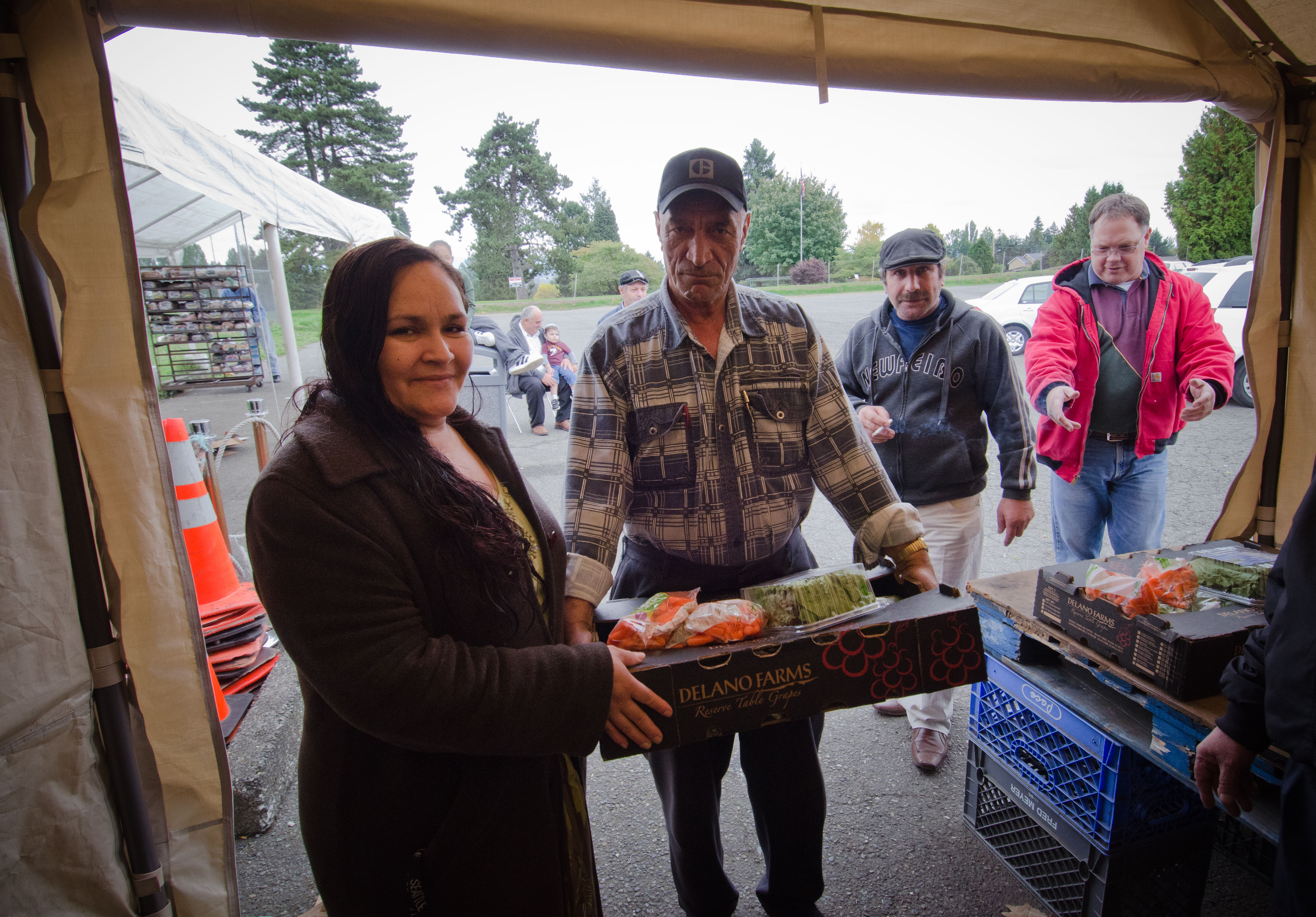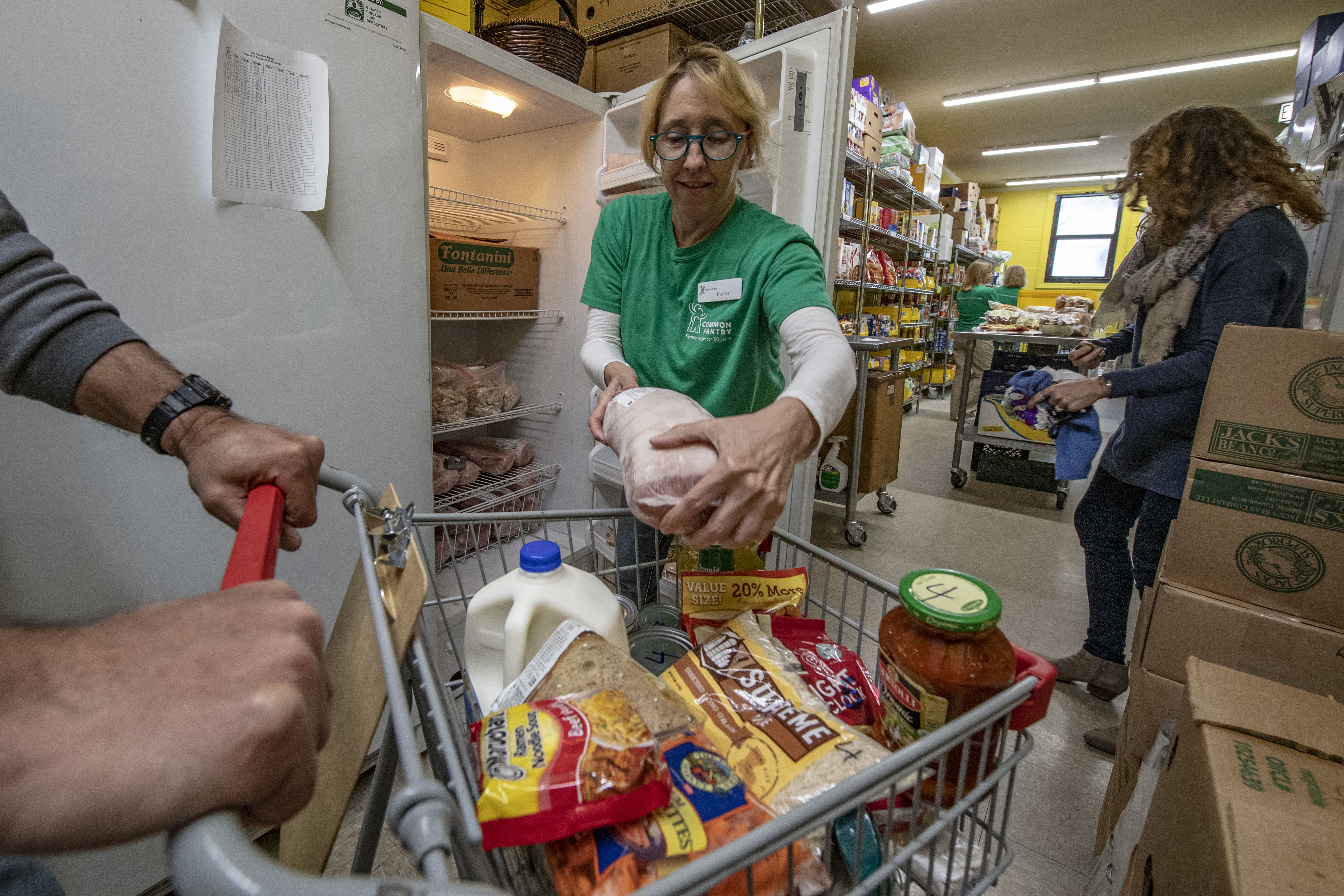
Common Heart, a food pantry and economic empowerment nonprofit in Indian Trail, is struggling to keep its shelves stocked as federal food assistance shrinks.
Keith Adams, Common Heart's executive director, said in a Sept. 1 statement that reduced supplies from The Emergency Food Assistance Program (TEFAP) have made it harder to serve Union County families. That same day, The Church of Jesus Christ of Latter-day Saints delivered about 35,000 pounds of shelf-stable food to the organization as part of a nationwide America250 campaign, as we reported Wednesday, Sept. 2.
The donation arrived at a difficult moment. Adams described the broader pressures on local families in an Aug. 30 interview about Common Heart's Love in Action fundraising campaign: "Groceries and housing remain expensive, while gas, utilities, childcare and everyday expenses leave little room when something unexpected happens."
The regional picture
Union County sits inside a 34-county region where about 630,000 people now lack reliable access to food, according to a Feeding America analysis of USDA and Census Bureau data reported by WFAE on Wednesday, Sept. 2. That figure is nearly 180,000 higher than in 2021.
Statewide, 15.5% of North Carolinians are food insecure. The rate for children is 21.5%.
Amy Beros, president and CEO of the Food Bank in Central and Eastern North Carolina, told WFAE that more than $30 million in USDA funding that supported food banks, schools and farmers has been cut. SNAP enrollment in North Carolina dropped by more than 110,000 people between September 2025 and August 2026 after stricter work requirements took effect, Beros said.
Oct. 1 cost-shift looms
Starting Thursday, Oct. 1, the federal government will cut its share of Supplemental Nutrition Assistance Program (SNAP) administration costs from 50% to 25%. States and counties will pick up the rest. North Carolina's state budget covers the state's share, but the county portion is not funded, Beros said. She warned the change will leave understaffed county social service offices facing a greater workload.
The food bank received $9 million in the current state budget, but Beros said that is not enough to offset the loss of federal funding.
For Union County residents who depend on food assistance, the Oct. 1 deadline marks the next concrete shift in how those programs are funded and staffed locally.
Upcoming community events
- Common Heart's Love in Action campaign is accepting donations to support Union County families through its food pantry and economic empowerment programs. Details at commonheart.org.