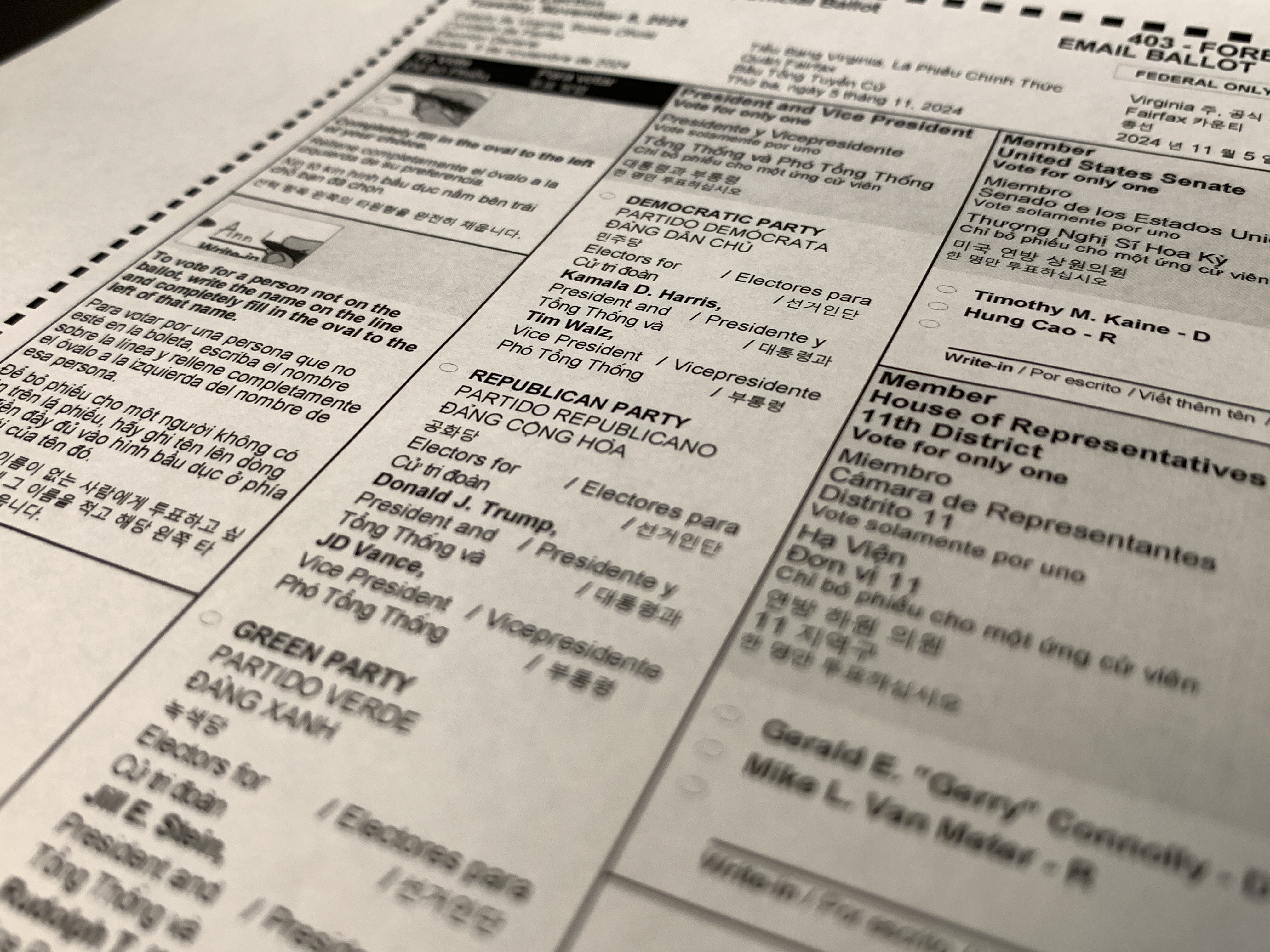
Union County residents will decide four ballot questions on Nov. 3, including three proposed amendments to the North Carolina Constitution and a $200 million bond to replace the county jail.
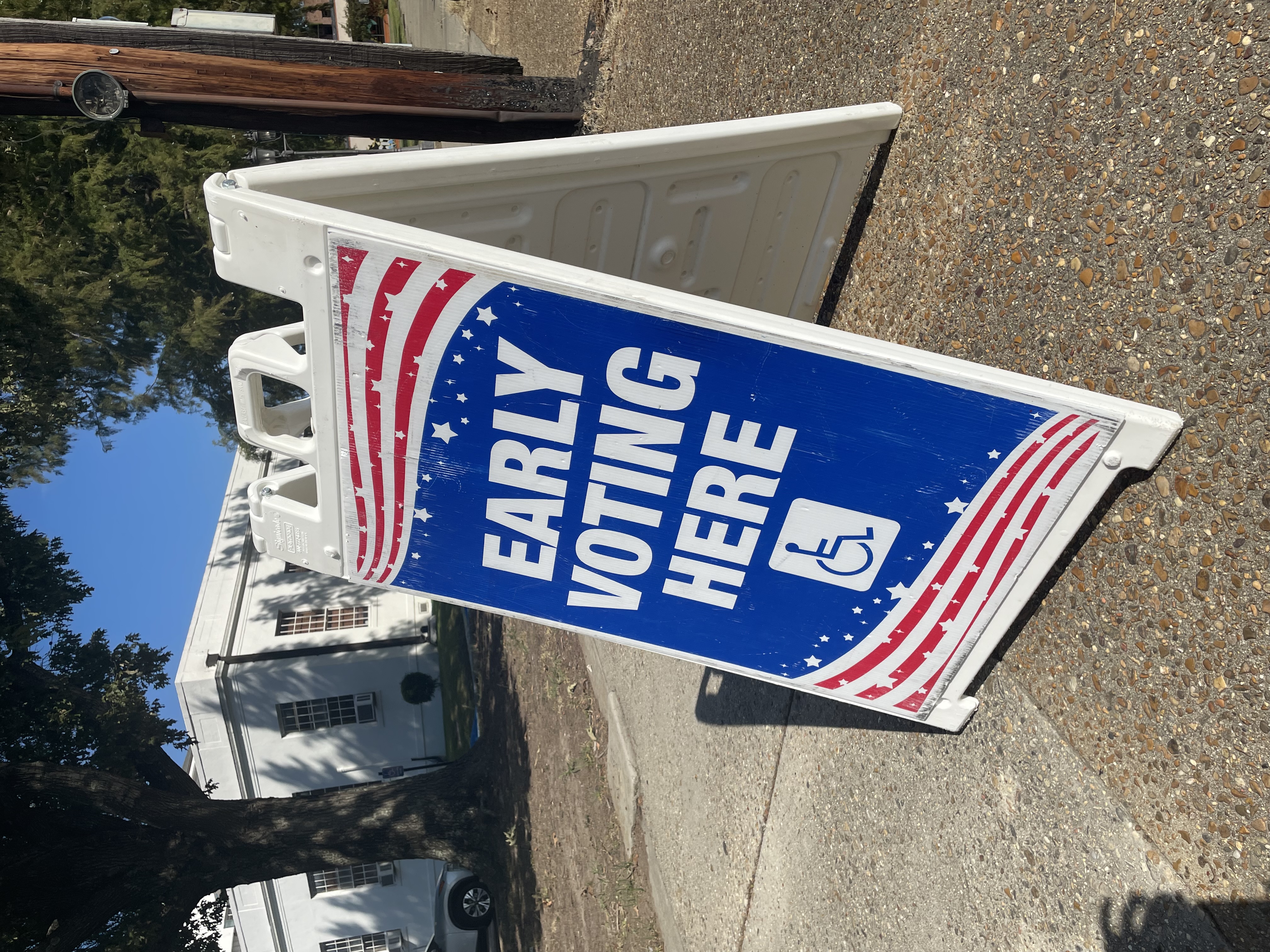
Early voting runs Oct. 15 through Oct. 31 at nine sites, according to the Union County Board of Elections. Three are in the Waxhaws area: the Waxhaw Recreation Barn at 5412 Waxhaw-Marvin Road, Wesley Chapel VFD Station 41 at 315 Waxhaw-Indian Trail Road and Wesley Chapel VFD Station 42 at 8821 New Town Road. All sites are open 8 a.m. to 7:30 p.m. weekdays and 8 a.m. to 3 p.m. Saturdays. The voter registration deadline is 5 p.m. Friday, Oct. 9. Eligible residents who miss that deadline can register and vote at any early voting site during the early voting period.
Photo ID for all voting
The first amendment would require photo identification for all voting methods, including mail-in ballots. State law already requires photo ID for in-person voting, but the constitution currently covers only in-person ballots. An August Catawba College-YouGov poll of 1,000 North Carolina adults found 70% support, with backing from 90% of Republicans, 66% of unaffiliated voters and 57% of Democrats. The same poll found 78% of respondents said including a copy of their ID with a mail-in ballot would be easy, while more than one in five said it would be difficult.
3.5% income tax cap
The second amendment would permanently cap the state personal income tax rate at 3.5% by writing that ceiling into the constitution. Republican lawmakers have lowered the rate from 7% to 4% since 2010, with a scheduled drop to 3.5% in 2027. Reversing the cap would require a new constitutional amendment, needing three-fifths support in both legislative chambers and a majority of voters.
The Catawba College-YouGov poll found about 66% of North Carolinians supported the cap. Registered Democrats were evenly divided; 63% of unaffiliated voters and 86% of Republicans said they would approve. The income tax cap bill, Senate Bill 1080, passed the legislature along party lines, as first reported by WFAE.
Property tax levy limit
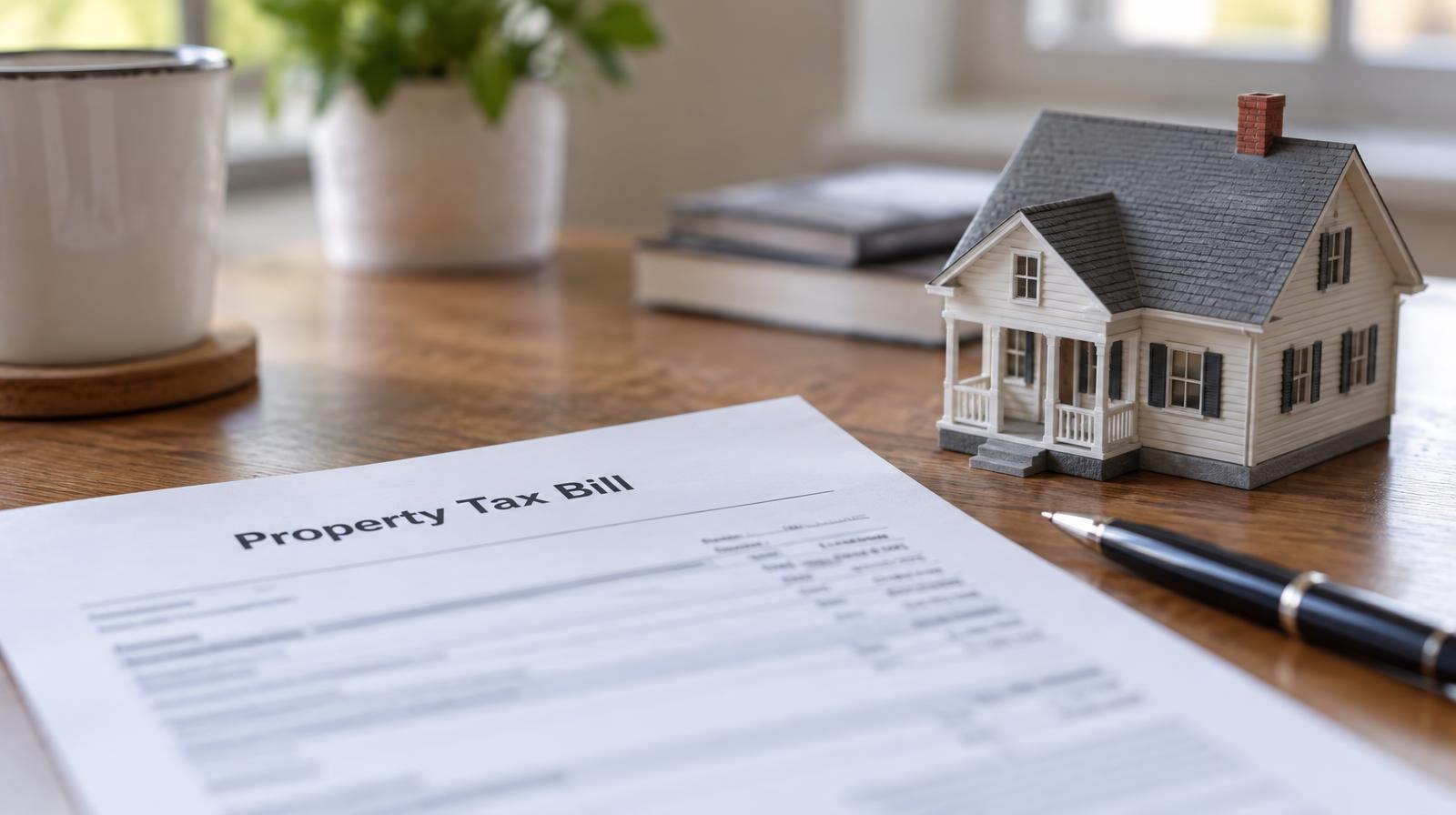
The third amendment would direct the legislature to enact laws limiting how much local governments can increase property tax levies. The amendment does not specify what the limit would be or what exceptions would apply.
The Catawba College-YouGov poll found 79% support when the question was presented simply. When respondents heard arguments for and against, support fell to 69%. Michael Bitzer, director of Catawba College's Center for North Carolina Politics & Public Service, said the drop shows "how people evaluate a policy can depend on whether they are thinking about its benefits alone or weighing those benefits against its possible consequences."
Union County commissioners pushed back on the idea months before it reached the ballot. The board unanimously approved a resolution on April 20 opposing statewide property tax limits and defending local control. Commissioner Melissa Merrell said at the April 20 meeting that residents' 60% to 80% jumps in property values "it wasn't this board. A lot of it comes out of Raleigh."
The county's current tax rate of 43.42 cents per $100 of assessed value sits in the state's lowest third, according to the board's April 20 resolution.
$200 million jail bond
The fourth question is local. The Union County Board of Commissioners voted unanimously on July 20 to place a $200 million General Obligation bond on the ballot to build a new 500-bed detention center. The existing jail, built in 1994 under a federal court order, operates over capacity and has significant structural problems. County leaders said renovating it would cost roughly the same as replacing it.
If voters approve the bond, the property tax rate could rise by an estimated 3.11 cents per $100 of assessed value. For a home valued at $400,000, that means about $124 more per year.
Board Chair Brian Helms said in the county's July 22 press release that the bond approach would open more affordable long-term financing for the project.
The absentee ballot request deadline is 5 p.m. Tuesday, Oct. 20. Sample ballots are available through the North Carolina State Board of Elections website.