Waxhaw's operating budget is running a structural deficit. Staff restructured the timing of three capital projects to avoid a potential $3.1 million cash crunch in the first half of the fiscal year.
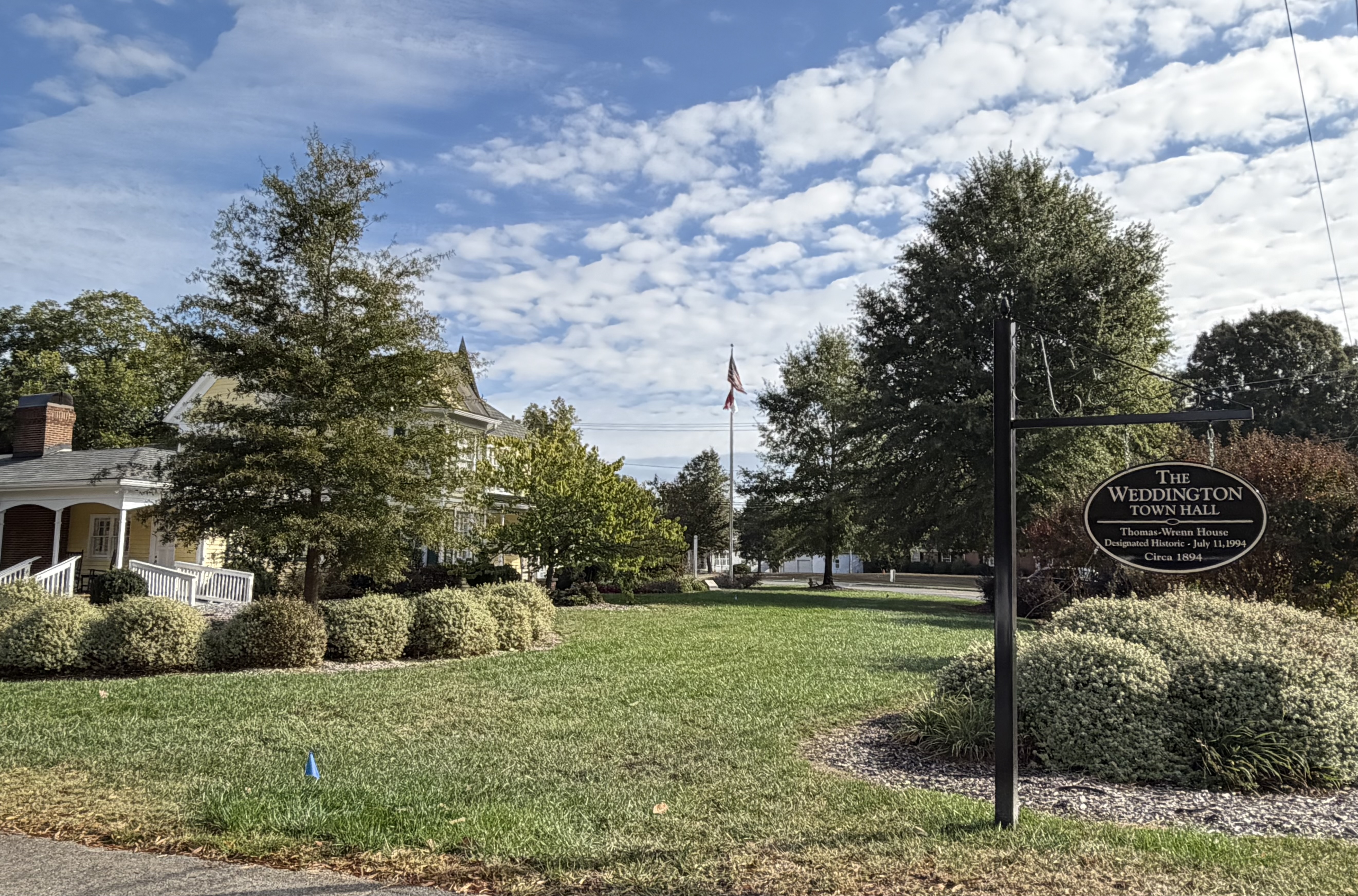
Town Manager Scott Dadson told the Waxhaw Board of Commissioners at a Tuesday, Aug. 25 work session that the town's current spending plan requires drawing down its fund balance to cover ongoing expenses. The session focused on the five-year capital improvement plan, cash position and financing options, according to a report in The Waxhaw Wall, a blog written by Commissioner Richard Daunt.
The three projects driving the cash-flow pressure are the Kensington Drive improvements, the Pine Oak/Waxhaw-Marvin intersection signal and realignment, and the annual paving program. Combined, those projects carry $3,094,000 in remaining costs for the first six months of fiscal year 2026-27, which began July 1, according to a Town Manager memo dated Aug. 17.
Staff's solution: stagger the spending. Paving was delayed to start in May 2027, zeroing out draws during the July 2026 through January 2027 window. Kensington and Pine Oak expenditures were adjusted to follow the engineering team's actual monthly schedule rather than a lump-sum draw.
The restructuring kept the General Fund above the town's $5 million working-liquidity target through January 2027. The tightest projected point was November, when the fund balance would dip to roughly $15.9 million.
A 12-month stress test found General Fund cash bottoming at 27% of annual required expenditures in November. That was about $4.24 million below the town's internal 40% comfort floor.
Waxhaw's cash flow is seasonal. Property-tax revenue arrives mostly between December and March, leaving the first half of the fiscal year lean. The town also made a $1.66 million lump-sum debt payment to Truist on Aug. 1 for the Town Campus installment financing, which drove a steep drop in the fund's cash position.
Mitch Brigulio of Davenport Public Finance, the town's municipal financial advisor since 2017, presented four potential financing paths for future capital work: grants, pay-as-you-go cash, installment financing and general obligation bonds. Davenport said GO bonds require a voter referendum and approval from the North Carolina Local Government Commission (LGC), a process that demands substantial advance planning.
Installment financing requires pledging an asset as collateral, making it harder to use for streets and sidewalks. The LGC may also want assurance that a municipality can repay its obligations, potentially including acknowledgment that a tax increase could be necessary.
Commissioners discussed the fiscal strain residential growth places on the town. Residential development adds residents who need services and infrastructure, while commercial development can broaden the tax base without the same service demands. Commissioners discussed the need for future boards to be more deliberate about the type of development Waxhaw pursues, according to The Waxhaw Wall's account of the session.
The board adopted its $26.47 million FY 2026-27 budget on Tuesday, June 9, maintaining the property tax rate at 29 cents per $100 of assessed value. That budget funded nearly $6 million in capital improvements from reserves. As of July 31, the General Fund balance stood at $20.7 million.
The Aug. 25 session was described as establishing a financial baseline, not making a final decision. The board is expected to continue the capital financing discussion at its September work session. The next regular meeting is scheduled for Tuesday, Sept. 8 at 6:30 p.m.